








Generator
History
Landscaping
Change Tool
Model
Flash
Switch


Add a photo

...
Choose

...
Choose
Looking for any specific?
 Count
Count
The Ultimate Guide to Sod Staples for Flawless Landscaping
Every stunning lawn and immaculate garden bed has a secret: the small but mighty details that hold it all together. Sod staples are the unsung heroes of professional and DIY backyard landscaping, essential for everything from laying new sod to securing weed barriers. This guide will walk you through how to use sod staples to guarantee your outdoor project is a success from the ground up. Before you start the physical work, use Ideal House's AI to visualize your backyard and ensure your plan is perfect.
Start planning with AI.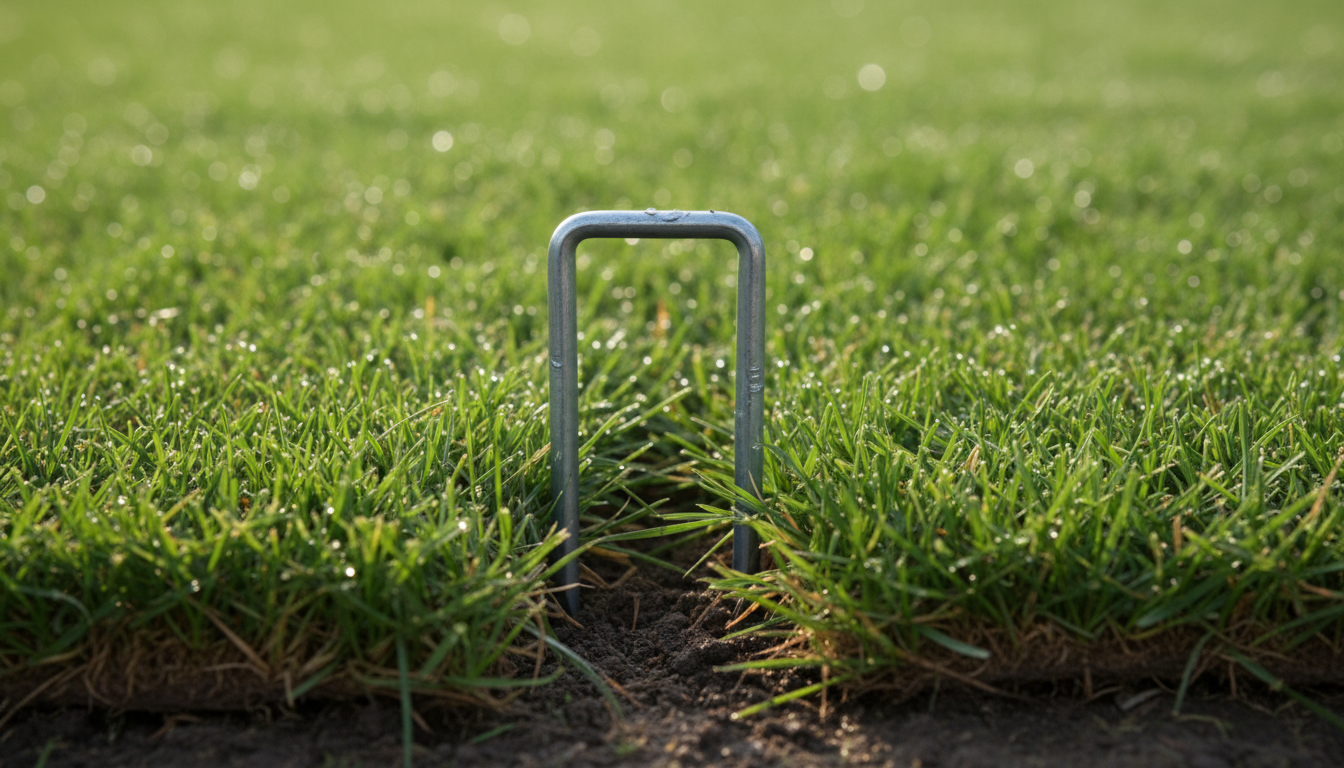


Why Sod Staples Are Your Project's Foundation
Achieve Seamless, Lush Lawns
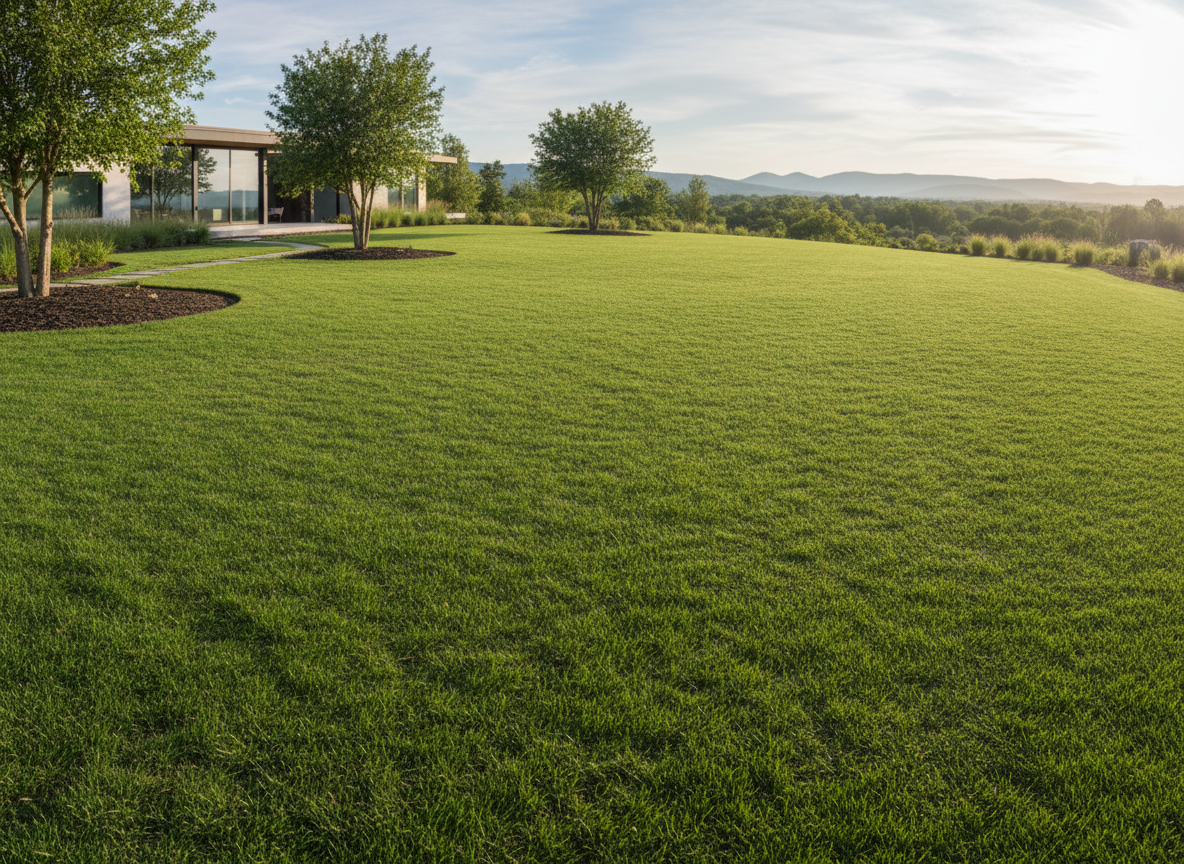
When learning how to lay sod, preventing visible seams and ensuring root contact is crucial. Using sod staples every few feet along edges and joins keeps the turf locked in place. This prevents shifting, eliminates gaps, and helps your new lawn establish faster for a uniform, carpet-like finish. It's the professional secret to flawless new lawn installation and one of the best lawn replacement options available.
Master Superior Erosion Control
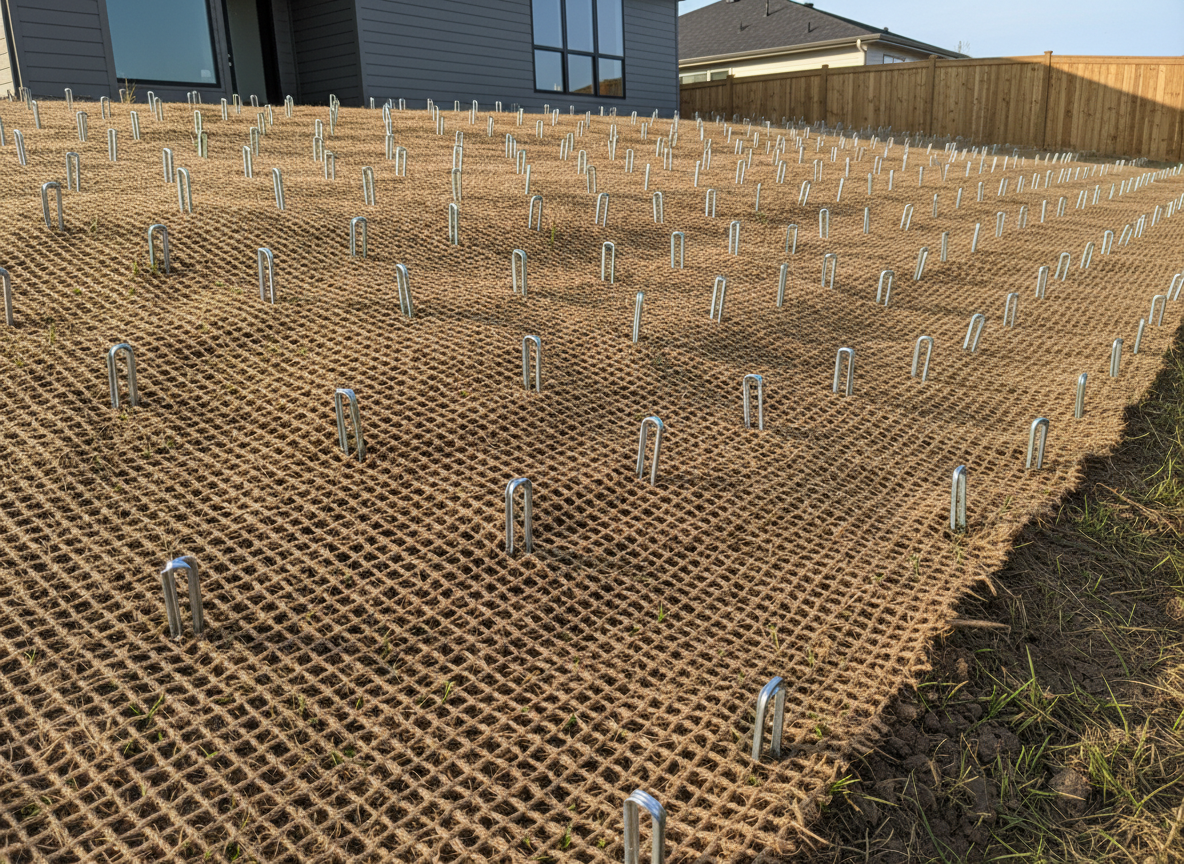
Slopes and hillsides are vulnerable to soil erosion from rain and wind. Sod staples are critical for implementing effective erosion control solutions. They securely anchor erosion control blankets, jute netting, and sod on inclines, holding soil and seeds in place while vegetation takes root. This protects your landscape investment and prevents costly washouts, ensuring long-term stability.
Install a Permanent Weed Barrier
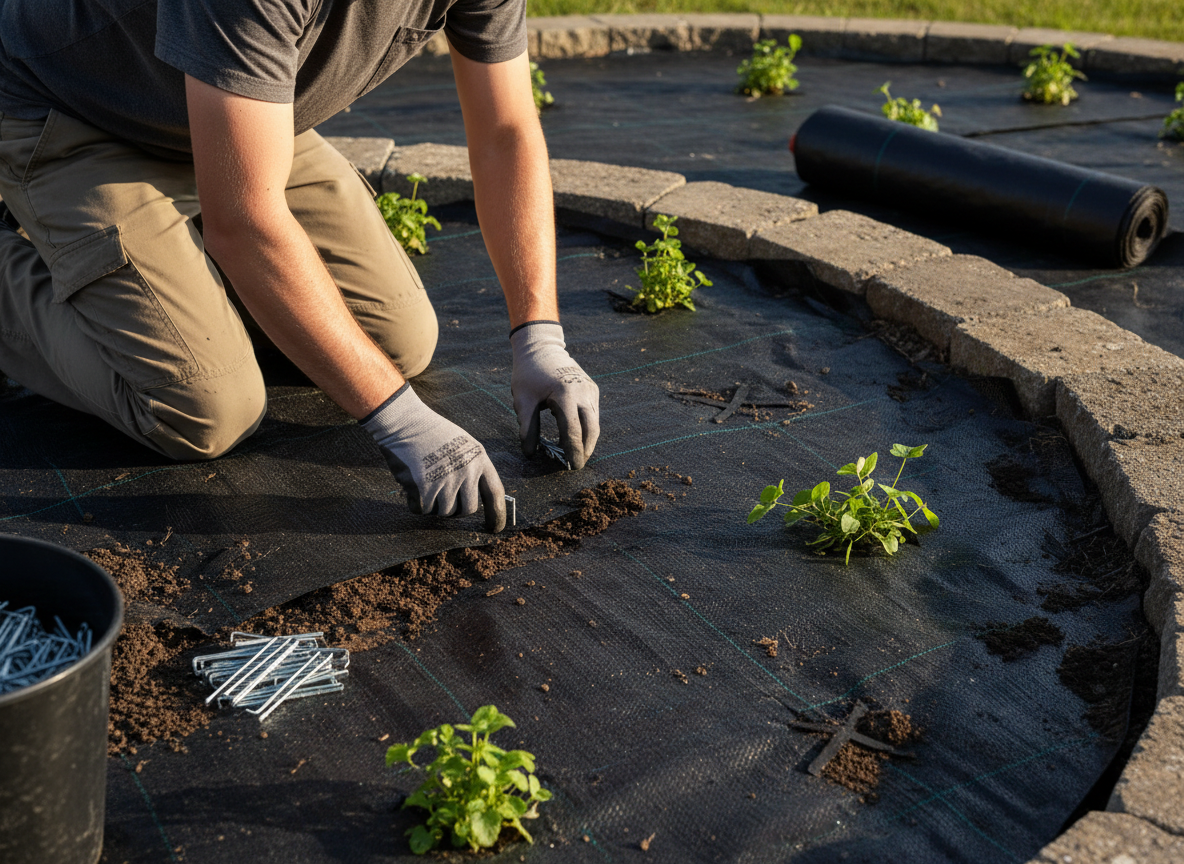
A successful garden is as much about what you keep out as what you grow. For effective weed barrier for landscaping, proper landscape fabric installation is key. Sod staples pin the fabric securely to the soil, preventing it from bunching up or shifting over time. This creates an impenetrable shield against weeds, reducing maintenance and ensuring your mulch or ground cover stays pristine.
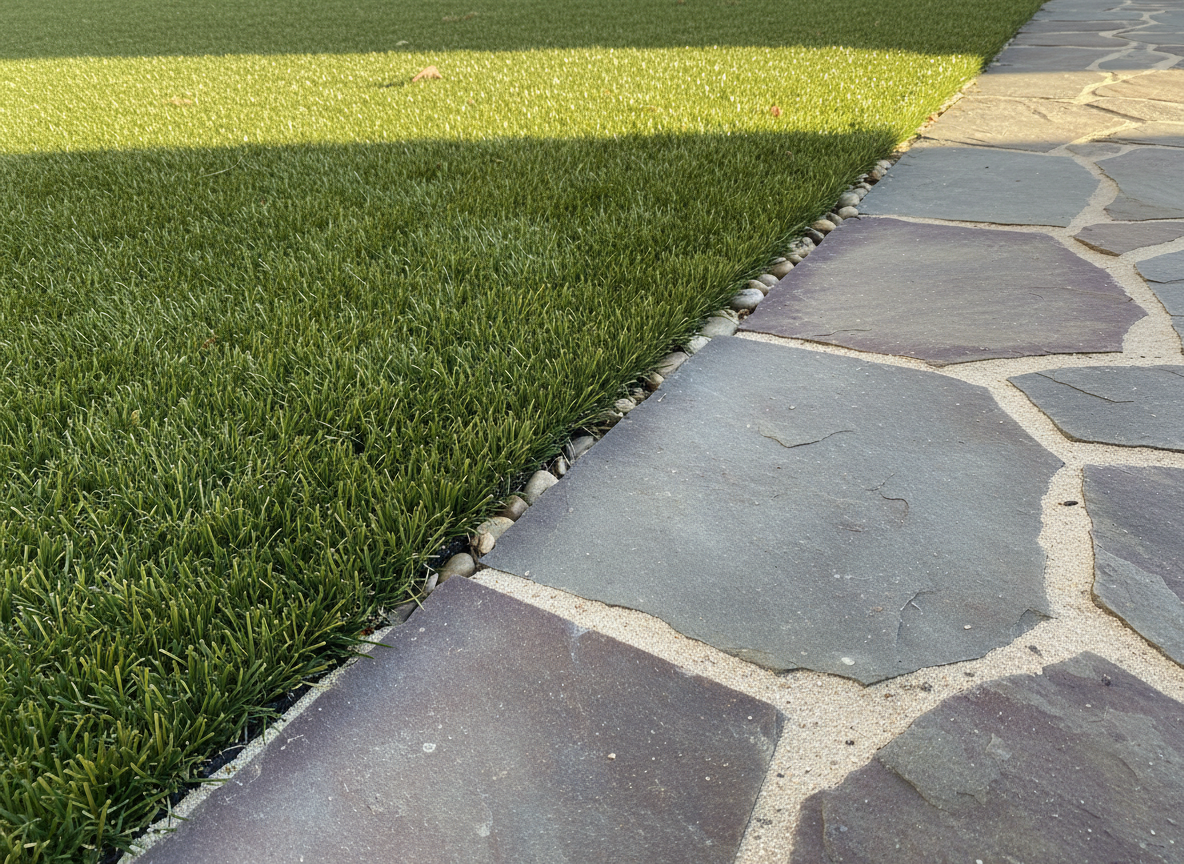
Anchor Flawless Artificial Turf
The clean, sharp edges of a professional artificial turf design depend on a secure installation. Sod staples are used to fasten the perimeter of the turf, keeping it flat and preventing edges from lifting or curling. This is especially important in high-traffic areas and around complex shapes like patios and walkways, guaranteeing a safe, clean, and durable result that looks great for years.

An Essential Tool for Every Project

DIY Homeowners: Confidently tackle a front yard makeover or ambitious backyard renovation knowing your sod, fabric, and turf are firmly anchored.

Professional Landscapers: Deliver superior results on every job, from new lawn installation to commercial ground cover, by using sod staples for a durable, lasting finish.

Real Estate Investors: Boost curb appeal and property value with flawless, low-maintenance landscapes that stand the test of time and attract buyers.

How to Install Sod Staples in 3 Easy Steps
1
Prepare the Area: First, clear the ground of rocks, roots, and debris. Rake the soil to create a smooth, level surface before you lay your sod or weed barrier for landscaping.
2
Position and Drive: Lay out your sod, fabric, or turf, ensuring it's smooth and free of wrinkles. Drive sod staples in every 2-5 feet along all seams and perimeter edges using a hammer or mallet until the top of the staple is flush with the ground.
3
Secure and Conceal: For sod, the grass will quickly grow over the staples. For other materials, you can cover them with mulch or rock. This simple step ensures a tight, long-lasting hold and a professional look for your simple front yard landscaping project.
Your Sod Staples Questions, Answered
What are the main uses for sod staples?
Sod staples are incredibly versatile. Their primary uses include securing new sod, anchoring landscape fabric and weed barriers, holding down erosion control blankets, fastening artificial turf, and even pinning down irrigation tubing or outdoor lighting wires.
How many sod staples will I need for my project?
A good rule of thumb for laying sod is one staple every 3-5 feet. For landscape fabric installation, use them more frequently, about every 2-3 feet along all edges and seams, to prevent any movement. Always use more on slopes or in high-wind areas.
What's the difference between steel and galvanized sod staples?
Standard steel staples are cheaper and will rust over time, which can actually help them grip the soil better. Galvanized staples are coated to resist rust, making them the preferred choice for long-term projects like securing artificial turf or when used in very wet soil.
Will sod staples harm my lawn mower?
No, as long as they are installed correctly. Make sure each staple is hammered all the way into the ground so it is flush with the soil surface. The grass will quickly grow over them, and your mower blade will pass safely above.
Can I use sod staples for ground cover ideas no mow?
Absolutely. They are perfect for securing landscape fabric underneath low-maintenance ground covers like mulch, gravel, or creeping plants. This ensures weeds are suppressed while your ground cover stays in place.
Plan Your Project Before You Pick Up a Hammer

HouseGPT
Ask our design AI for advice on material sourcing and styling tips for 1920s architectural styles.
Interior Remodel
Ensure your home's interior style flows seamlessly with its stunning new exterior for a unified design.

Image to Video
Turn your static room designs and before-and-after shots into dynamic, engaging video tours.
From Sod Staples to a Stunning Reality
You've mastered the technical details. Now it's time to bring your vision to life. Use Ideal House's AI to see the incredible final result before you begin. Plan smarter, build better.
Design Your Dream Yard Now
Ideal.House is more than a platform—it's your all-in-one home design ecosystem. Dive into powerful AI tools such as Interior Remodel, Exterior Renovator, and Landscaping to craft stunning spaces, and let HouseGPT guide you with tailored suggestions for planning, styling, and furnishing. Connect with a passionate community to swap ideas and advice, then take your designs from concept to completion with handpicked products matched to your taste.
At Ideal.House, we've built a space where technology, creativity, and collaboration come together to redefine home design.
At Ideal.House, we've built a space where technology, creativity, and collaboration come together to redefine home design.
Technical support [email protected]



💰 Earn 10% commission as a Ideal House Affiliate Partner.
Join us